Roof leaks rarely look like what homeowners expect. The water stain on your ceiling is almost never directly below the entry point on the roof. Water travels along decking, rafters, and insulation before finding a low point to drop from, which is why the same leak can leave stains in different rooms depending on where the water path takes it that particular storm.
Understanding the most common leak sources makes it easier to communicate what you're seeing when you call a roofer and helps you recognize the early warning signs before ceiling stains appear.
Flashing failures
Flashing is the metal sheeting installed at every transition point on a roof -- where the roof meets a chimney, where it runs into a wall, around skylights, and at every pipe or vent penetration. These transitions are where leaks most commonly originate in Boise homes, and the reason is straightforward: Idaho's freeze-thaw cycling puts constant mechanical stress on the joints between metal flashing and the masonry, wood, or shingles it connects to. Those joints open up slowly over years.
Chimney flashing is the most frequent single source of leaks in older Boise neighborhoods. The North End, the Bench, and established parts of Nampa and Caldwell have a lot of original masonry chimneys where the flashing has been in service for 20 or 30 years and is past its reliable service life.
Pipe boots -- the rubber or metal collars around plumbing vent pipes -- are the second most common failure point. Rubber boots crack and shrink over time, particularly under Boise's UV exposure. A failed pipe boot typically creates a clean, consistent drip directly below the penetration in the attic.
Shingle damage and age
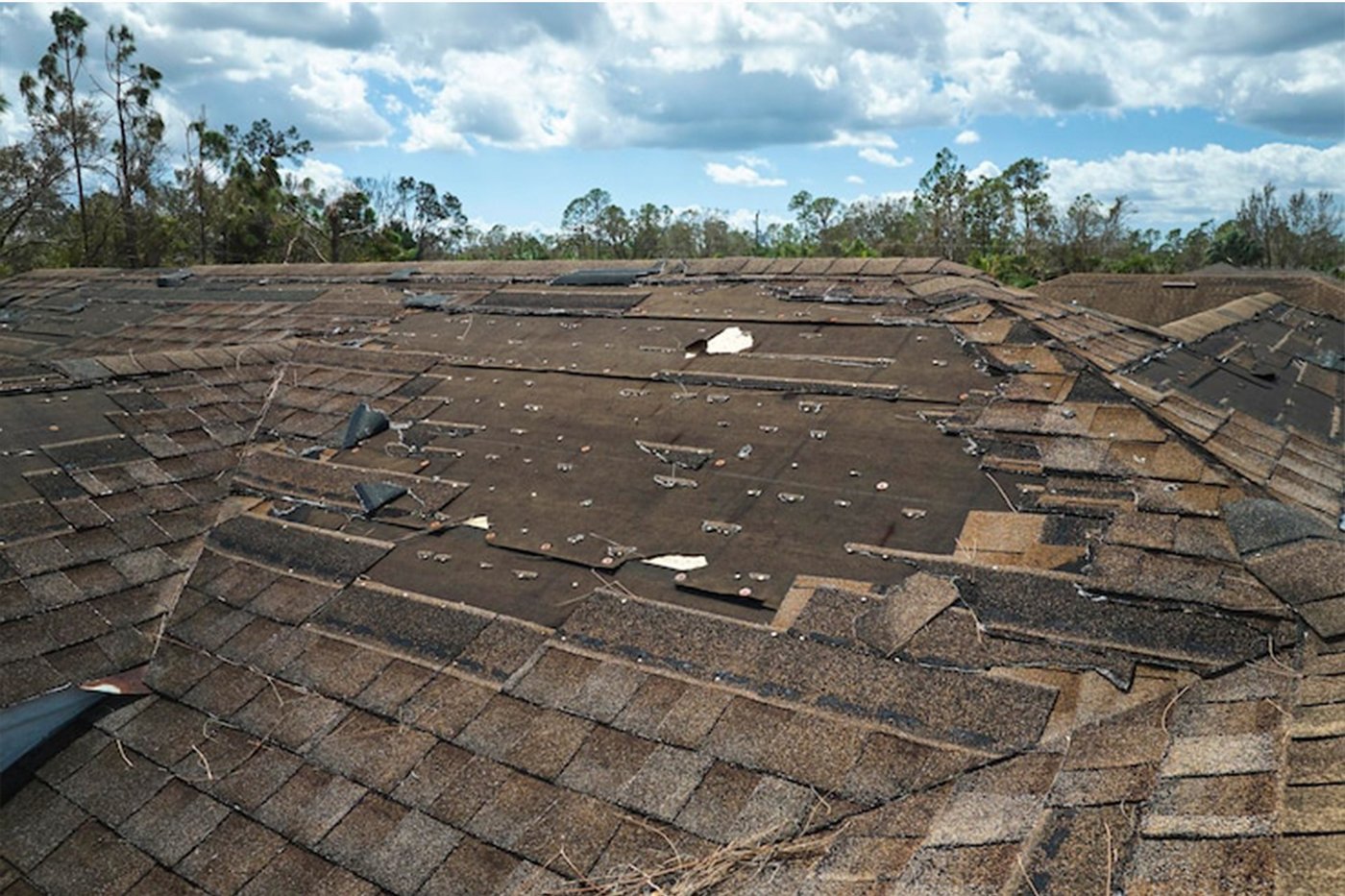
Shingles that are curling at the edges, cracked across the surface, or missing entirely are obvious entry points for water. Hail damage is less obvious -- a shingle that was struck by hail may look intact from the street but have compromised granule coverage that accelerates deterioration and allows water absorption at the impact site.
Granule loss is the slow-motion version of the same problem. As shingles age, the granules that protect the asphalt layer from UV exposure gradually shed. Once the asphalt beneath is directly exposed to Boise's 206 annual sunny days, it degrades rapidly. Old shingles with bare patches aren't just worn-looking -- they're actively absorbing water during rain events.
Valley and debris accumulation
Roof valleys -- the angled channels where two roof planes meet -- carry more water volume than any other part of the roof during heavy rain. Debris accumulation in valleys slows that drainage, holds moisture against the roofing material, and eventually forces water under the edge of the valley flashing. This is a common but often overlooked leak source on homes with trees overhead.
Ice dams in winter create a similar situation. When ice builds up along the eaves and in valleys, meltwater from higher on the roof has nowhere to drain and backs up under shingles. The resulting leaks often appear during a warming trend rather than during the original snowfall, which leads homeowners to misidentify the cause.
When to call
Any visible water intrusion -- staining on ceilings, wet insulation in the attic, moisture on interior walls near the roofline -- warrants a professional assessment. Blue Goat Roofing responds to leak calls throughout Boise, Meridian, Nampa, and Caldwell. Every diagnostic visit includes a written report of findings and a clear explanation of the repair required before any work is authorized.